
How Much Does It Cost to Build an Edible Oil Refinery Plant?
Jan 23, 2026
To be honest, If you’re looking for one fixed number, there isn’t one.
And I know this can be frustrating.
Almost every customer I talk to asks the same question at the beginning:
“Just tell me roughly how much it will cost.”
What I’ve learned over years in edible oil projects is this:
the real cost of a refinery is not decided by a quotation, it’s decided by the decisions you make early on.
Let me explain this from a practical point of view.
Why the same refinery capacity can cost very differently?
Technically, two projects may both be “300 TPD edible oil refineries". But in reality, they can be two completely different investments.
From our experience, cost differences usually come from:
• The type of oil you are refining (soybean, sunflower, palm, etc.)
• Whether you choose batch or continuous refining
• How much you invest in automation and energy efficiency
• Local conditions: utilities, labor, construction standards
That’s why I always tell customers: capacity alone is not a cost indicator.
Where your money actually goes (and where it should go)
Let me break this down the way we usually discuss it internally with clients.
1. Core refining process — this is not where you should compromise
The core refining sections — degumming, bleaching, deodorization — are the heart of your plant.
I’ve seen projects where customers tried to reduce initial cost here.
What happened later was:
• Higher oil loss
• Higher steam consumption
• Difficult operation
Those costs don’t show up on day one, they show up every day for the next 15–20 years.
2. Automation — this is not a “luxury item”
Many customers initially say:
“We don't need high automation. Our operators are experienced.”
I get that. But in reality, automation is not about replacing people, it’s about reducing variability.
In projects with good automation, we consistently see:
• More stable oil quality
• Lower chemical consumption
• Easier operation and training
From a cost perspective, automation usually pays back much faster than expected.
3. Utilities — the most underestimated cost driver
If there is one area I would ask you to pay more attention to, it’s utilities.
Steam, heat recovery, vacuum systems — these are often treated as “supporting systems”. In fact, they are where most long-term cost is generated. Poor utility design can quietly drain your profit every single day.
CAPEX vs OPEX: the mistake I see most often
Many investment discussions focus almost entirely on CAPEX.
But when we review existing plants, what really determines profitability is OPEX:
• Energy consumption
• Oil loss
• Maintenance stability
• Downtime
In several projects, customers who invested slightly more upfront achieved:
• Faster commissioning
• Lower operating cost
• Shorter real payback period
This is why we always look at cost from a lifecycle perspective, not a purchase price.
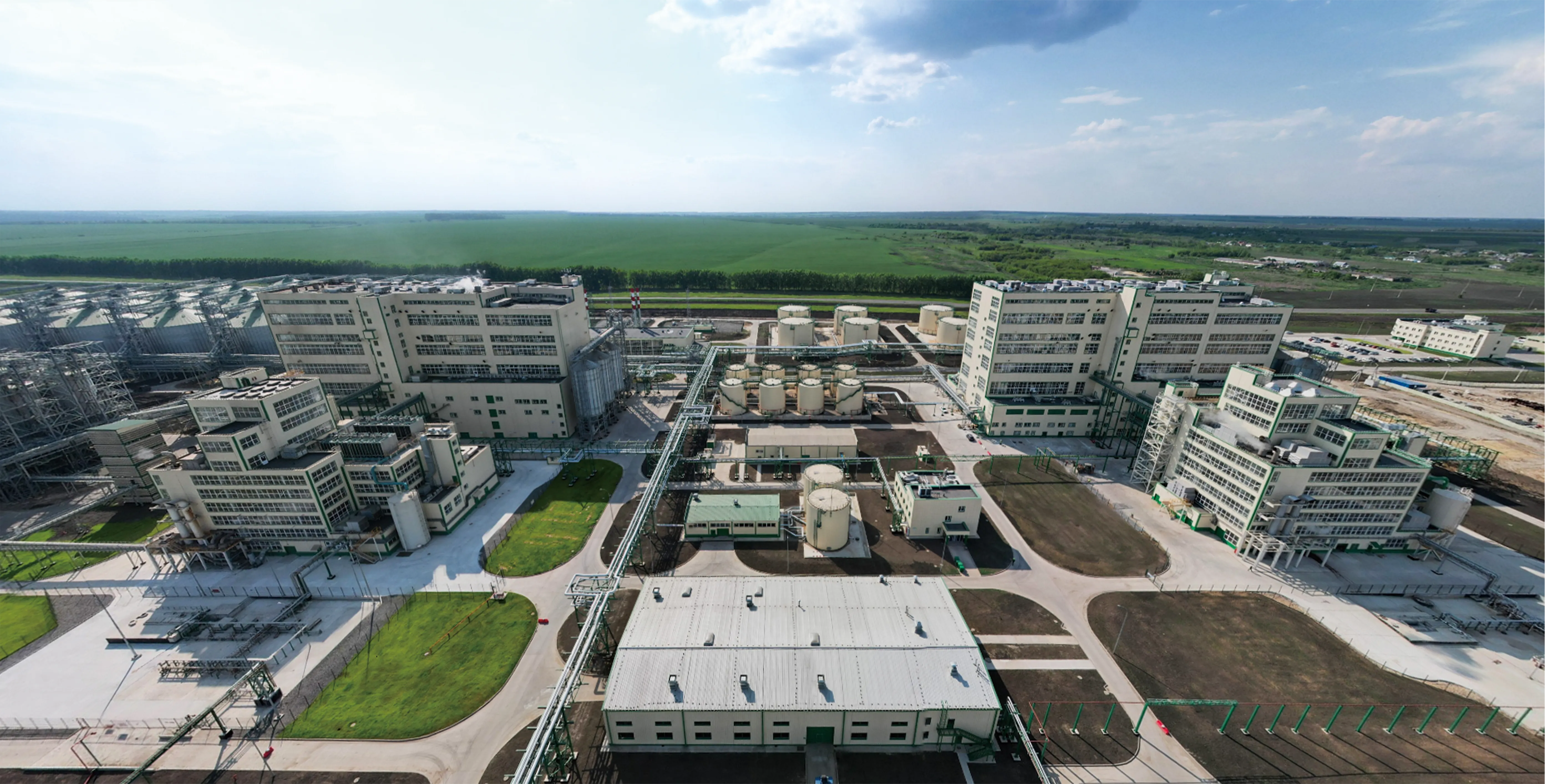
What does this mean for turnkey projects?
In a turnkey project, cost control is not about cutting corners. It’s about making the right engineering choices early.
From our experience, turnkey delivery helps because:
• Process design, equipment, and automation are aligned
• Fewer interface problems during installation
• Less rework and fewer surprises during commissioning
This usually results in better cost predictability, even if the initial number is not the lowest.
A practical insight from real projects
In projects delivered by experienced turnkey suppliers such as Myande Group, cost discussions usually start with one simple question:
“What will this plant cost us to operate every day?”
Once that question is clear, investment decisions become much easier and much safer.
Questions you should ask before deciding your budget
If you take one thing from this article, let it be these questions:
• Where will my long-term operating cost come from?
• How sensitive is my profitability to energy price changes?
• How much oil loss can I realistically accept?
• Do I want the lowest initial price — or the most predictable performance?
These answers matter more than any quotation.
Building an edible oil refinery is not just a construction project, it’s a long-term operating commitment.
From my experience, the most successful projects are those where investors focus less on“How cheap can we build it?” and more on:
“How well will this plant perform, year after year?”
If you approach cost with that mindset, you’ll already be ahead of most projects.

Recent Posts

October 26, 2016
The Most Successful Engineering Contractor




Contact Us
Product Information
Quantity
Unit
Piece
Support order samples, customization, wholesale direct, and complete payment. If the product you look for does not have corresponding customized content, pls fill out the form below to contact us, and we will reply ASAP.