

How Fermentation Improves Feed Ingredients?
Oct 13, 2026
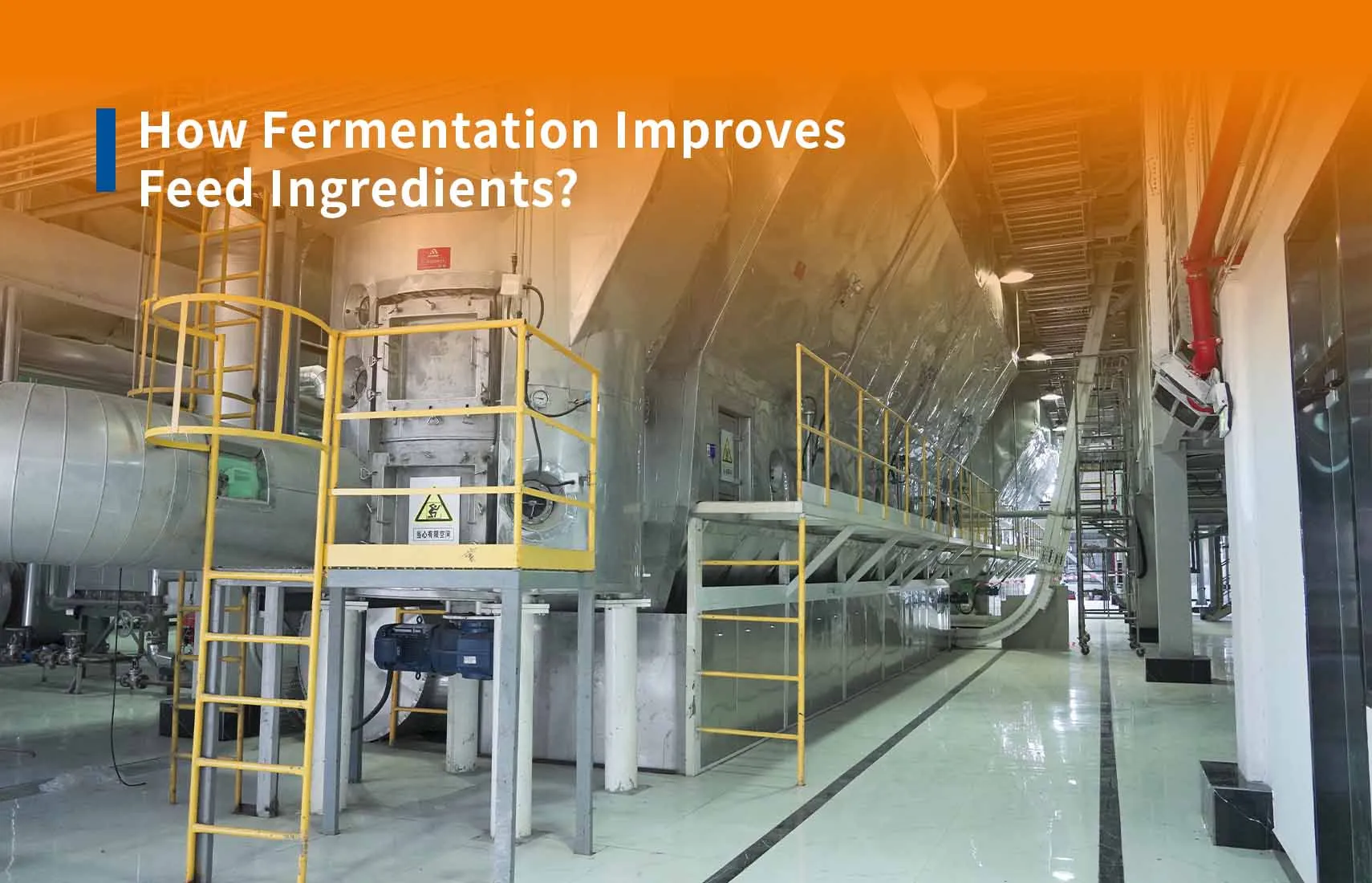
Soybean meal, cottonseed meal and rapeseed meal are widely used as plant protein sources in animal feed. However, their nutritional value is not always fully utilized. Certain naturally occurring anti-nutritional factors can limit nutrient availability and affect how efficiently animals digest and absorb protein.
Fermentation offers a way to improve the value of these conventional feed ingredients. Through controlled microbial activity, complex proteins can be broken down into smaller peptides and amino acids, while other beneficial compounds are produced during the process.
But how can this process be carried out consistently on an industrial scale? That's where fermentation technology and equipment design become essential.
Unlocking More Value from Feed Ingredients
Fermentation uses selected microorganisms to transform raw materials under controlled conditions. Depending on the feedstock and target product, the process can use anaerobic, aerobic or facultative fermentation.
During fermentation, microbial activity helps break down certain anti-nutritional factors, including antigenic proteins and trypsin inhibitors. At the same time, large protein molecules are converted into smaller peptides and amino acids, making nutrients easier to digest and absorb.
The process can also produce beneficial components such as probiotics, organic acids and vitamins, depending on the microorganisms and fermentation conditions.
For feed manufacturers, this creates opportunities to improve the nutritional value of conventional plant protein ingredients and develop higher-value fermented feed products.
Making Fermentation More Consistent at Industrial Scale
Traditional solid-state fermentation often relies heavily on manual operation and operator experience. This makes it difficult to maintain consistent temperature, moisture, ventilation and fermentation time, potentially resulting in variations between production batches.
Scaling up the process requires more than simply increasing equipment capacity. The fermentation environment must remain controlled throughout production.
Automated fermentation systems help address this challenge by monitoring and adjusting key parameters such as temperature, moisture, airflow and material residence time. These controls help maintain suitable conditions for microbial growth and activity, supporting more consistent product quality.
A well-designed production line also needs to coordinate every stage, from raw material receiving and inoculation to fermentation, drying, cooling and packaging.
Drying Fermented Materials Without Compromising Product Quality
Drying is another important stage in fermented feed production.
Fermented materials can have high moisture content, sticky textures and a tendency to form lumps. Conventional drying equipment may struggle with material buildup, uneven heating and excessive energy consumption.
To address these challenges, a multi-stage fluidized tower drying system can provide more precise temperature control across different drying stages. This helps remove moisture efficiently while limiting excessive heat exposure that could affect the desired product characteristics.
Proper drying also makes the final product easier to handle, store and transport, supporting stable downstream operations.
Why Pilot Testing Matters Before Full-Scale Production
Not every raw material behaves the same way during fermentation. Different feedstocks, microbial strains and process conditions can produce different results.
Moving directly from laboratory trials to full-scale production can therefore involve considerable uncertainty.
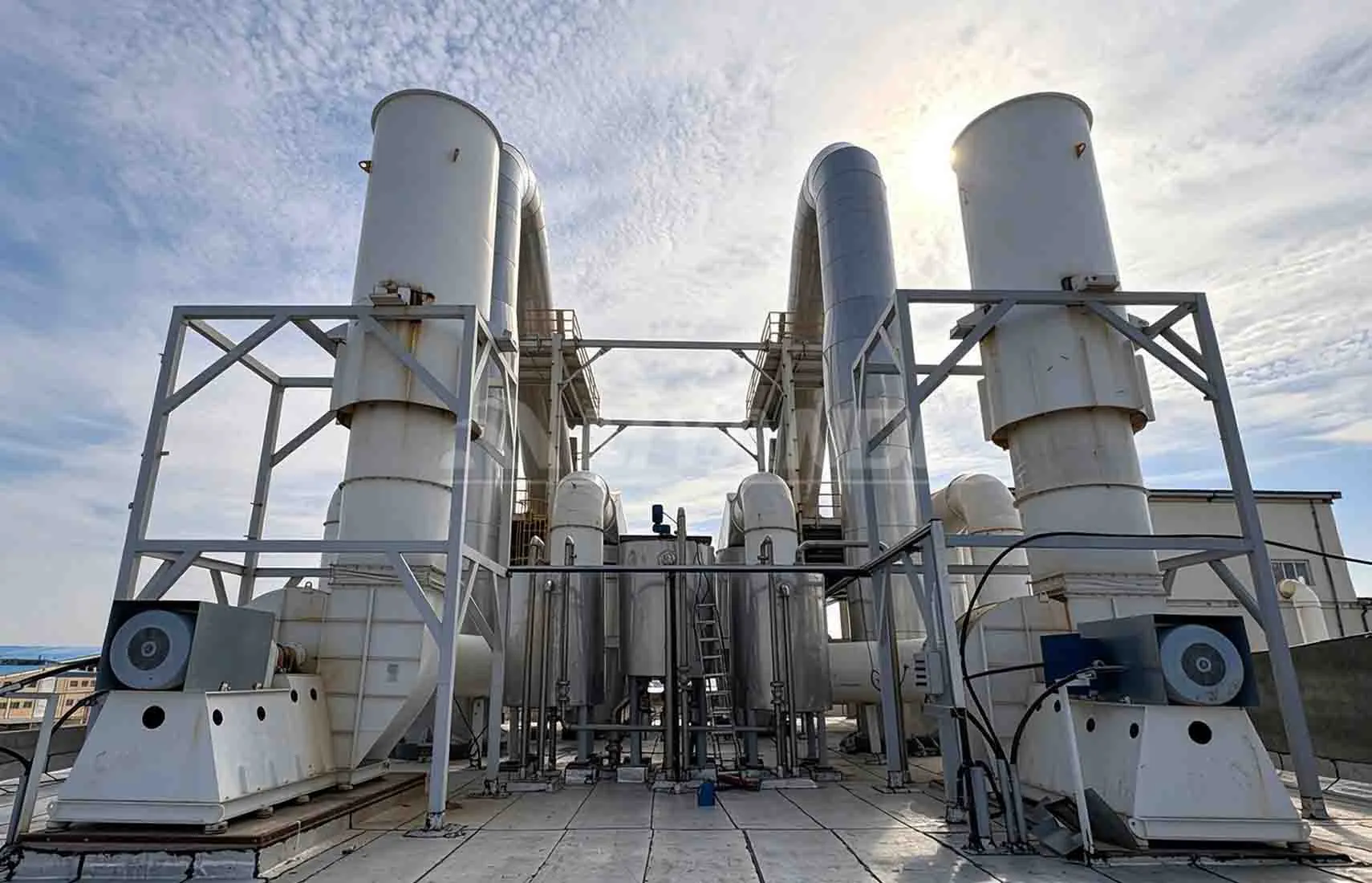
Pilot-scale testing provides an important step between process development and industrial implementation. By simulating production conditions on a smaller scale, manufacturers can evaluate process feasibility, collect operating data and optimize product specifications before investing in a full production line.
This helps identify potential issues early and provides a more reliable basis for engineering design and capacity planning.
One Integrated Solution for the Entire Production Process
Industrial feed fermentation involves much more than the fermentation equipment itself. Raw material handling, inoculation, mixing, fermentation, drying, cooling and packaging must all work together.
The right equipment configuration depends on the raw materials, fermentation method, target product characteristics and required production capacity.
An integrated engineering approach brings these elements together, combining process design, specialized equipment, automated control and project implementation. This helps reduce coordination challenges and supports more stable production from the initial feeding stage to the finished product.
Integrated Engineering and Equipment for Feed Fermentation
From agricultural by-products and yeast cultivation to oilseed meals and distillers' grains, Myande has developed a range of fermentation processes and equipment solutions for different raw materials and applications.
Its capabilities cover the complete production process, including raw material handling, inoculation, mixing, fermentation, drying, cooling and packaging. Specialized equipment and intelligent control systems help maintain consistent operating conditions, while multi-stage fluidized tower drying technology addresses the challenges of handling sticky, moisture-rich fermented materials.
Myande also provides pilot-scale testing to help customers validate process conditions, optimize product specifications and assess production feasibility before moving to full-scale implementation.
By combining fermentation process technology, equipment manufacturing and turnkey engineering, Myande supports feed manufacturers in developing efficient and reliable industrial fermentation facilities.

Recent Posts

October 26, 2016
The Most Successful Engineering Contractor
Oct 05, 2026
Industrial Bucket Elevators: Key Design Features

Sep 29, 2026
How to Choose the Right Starch Processing Equipment?

Contact Us
Product Information
Quantity
Unit
Piece
Support order samples, customization, wholesale direct, and complete payment. If the product you look for does not have corresponding customized content, pls fill out the form below to contact us, and we will reply ASAP.