

Canola Oil Press: A Comprehensive Guide
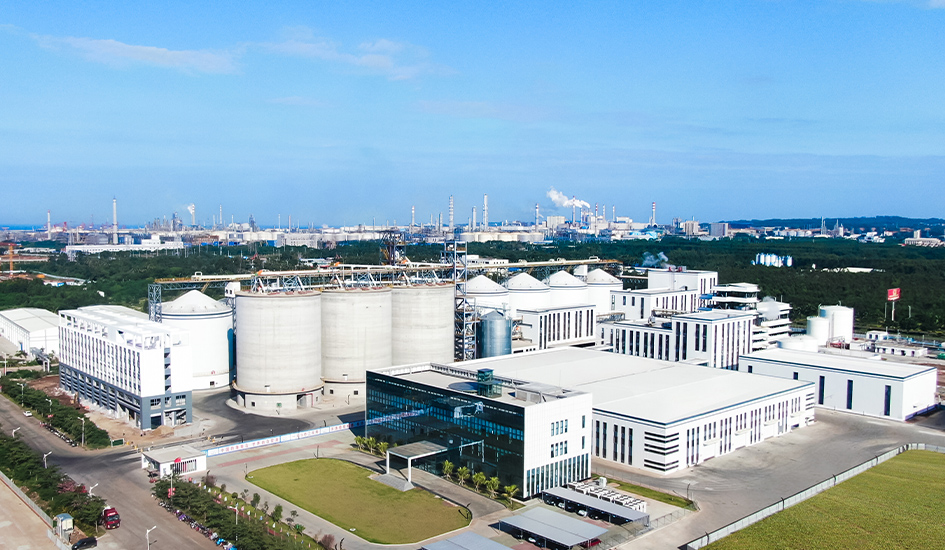
Integrated Pressing, Extraction, and Refining Engineering from 100 TPD to 5,000 TPD
Welcome to Myande’s comprehensive canola oil press, extraction, and refinery solution designed for modern edible oil producers seeking higher efficiency, stable operation, and premium oil quality.
Canola oil is one of the world’s most widely consumed vegetable oils, valued for its favorable fatty acid profile, light taste, and broad applications in cooking, food manufacturing, and industrial processing. As global demand for high-quality edible oils continues to grow, processors are increasingly focused on improving oil yield, reducing operating costs, enhancing automation, and maintaining consistent refining quality.
Myande Group is one of China’s leading suppliers of complete plants, equipment, and engineering services for the canola oil processing industry, with plant capacities ranging from 100 TPD to 5,000 TPD.
With a world-class manufacturing and R&D platform, a 130,000 m² production facility, and a professional team of more than 1,600 engineers and researchers, Myande is equipped to deliver reliable turnkey canola oil processing projects for customers worldwide.
More oilseeds processing machine and technology: https://www.myandegroup.com/oliseeds-preparation-solution
Canola Oil Extraction Process - How to make each canola seed count

Main Steps of Canola Oil Press
-
Conditioning
-
Canola seeds after cleaning go to the conditioner, and are softened by indirect steam heating to obtain toughness. The moisture of canola seed is adjusted by hot air drying.
The conditioner is equipped with a continuous material level sensor to detect and control the material level in conditioner in real time to ensure the stability of the material level and production. Conditioner discharge device is equipped with a temperature sensor to monitor the discharge temperature in real time, also with a combination of rotary discharge valves with frequency conversion, to ensure the uniform, stable, continuous control of the discharge.
The inlet and outlet of the conditioner are equipped with an online moisture detector, which adjusts the moisture of canola seed according to the detector values.
-
-
Flaking
-
Myande Oilseed Flaker squeezes prepared and cracked canola seeds into thin flakes (thickness from 0.3 to 0.35mm, with good toughness and low powder rate) to ensure minimized oil content in meal and solvent consumption.
-
-
Cooking
-
The horizontal rotary cooker is fed by the screw conveyor. The bottom of the screw conveyor has three pneumatic gates and a variable frequency rotary valve to control the flow of materials. Cooking can further adjust the moisture and temperature of rapeseed flakes (the temperature is about 95~105℃, and the moisture is about 4%).
-
-
Pressing
-
Flakes go through the pneumatic gates and are distributed to screw presses. The inlet of each oil press is equipped with magnetic plates to remove metals. The outlet of oil press is equipped with a dehumidification air network system consisting of a fan, a cyclone and a rotary valve to remove a large amount of steam generated at outlet.
If the cake temperature is too high, cakes will enter the cooler through drag conveyor to reduce the temperature to about 55 ℃, and then will fall into the drag conveyor to extraction plant after being lifted by elevation drag conveyor. Unqualified cakes will return to drag conveyor to be cooked and pressed again. Crude oil from the screw presses is transported by screw conveyor and drag conveyor. The oil directly enters the oil tank, and then sent to crude oil tank for temporary storage by crude oil pump. The oil residue from drag conveyor is lifted by the screw conveyor and the elevation drag conveyor and enters the feeding drag conveyor for repressing.
-
-
Crude Oil Filtration
-
Crude oil after pressing contains up to 10% rapeseed meat solids which need to be reduced before being sent to the crude oil storage.
Therefore, crude oil from the screw presses directly enters the oil settling tank for separation, and then enters the oil tank for temporary storage via the oil pump.
Oil drag conveyor is a two-deck type conveyor with an intermediate wedge bar type screen to separate the oil and meat. The solids (residue) separated from the oil drag conveyor is then transported by screw conveyor and elevation drag conveyor to drag conveyor to return to the pressing section.
After filtration in the settling tank, the crude oil still contains about 3%-5% fines. Further filtration is needed to reduce the fines in the crude oil to 0.2%. Crude oil in the crude oil tank is pumped to the decanter centrifuge through the oil pump for separation. A hydro cyclone is installed before the horizontal centrifuge for initial separation. Then crude oil enters the horizontal centrifuge for further separation.
-
-
Extraction
-
The prepressed rapeseed cakes enter the Extractor Feeder(s)/Hopper before being fed into the Myande (E)-Extractor. The screw(s) and hopper act as a plug avoiding vapors to escape, back to the Preparation workshop.
The extractor is of a shallow bed movable chain type. Chain(s) and flights are dragging the material over a fixed screen, from the upper deck drop onto the bottom deck, where at the end the material is discharged into an Extractor Discharge Elevation Conveyor, a vapor-tight chain conveyor.
While the material is transported through the extractor, miscella is spread over the bed through various Recycle Pumps. The miscella is progressing counter-current the material and rich or full miscella leaves the extractor through the hopper at the material inlet.
The concentrated miscella discharges from the extractor into a Full Miscella Tank through a Hydroclone(s) that "scrubs" the fines from the miscella, before being pumped further to the distillation system. The recovered fines are distributed on top of the bed in the extractor.
-
-
Desolventizer Toaster (DT)
-
Wet meal arriving from the extractor is fed into the Desolventizer-Toaster.
The solvent laded meal enters the top of the DT and falls onto the first set of steam heated trays (Pre-Desolventizing Trays). The meal is evenly distributed, spread and further transported, through calibrated rectangular openings in the decks, by sweep arms installed in each compartment. These top (PD) trays mainly remove solvent vapor (flash) from flakes by indirect steam heating.
After the PD trays, meal drops onto the counter-current Desolventizing-Toaster Trays (DT tray). The trays double bottoms are designed for indirect steam heating and have hollow stay bolts for venting vapors from one tray to the next. The vapors travel counter current to the direction of meal.
Meal levels in these trays are controlled by rotary valves, with frequency inverter, which convey the material down through the unit.
The lowest compartment is equipped with a steam chamber with perforated top plate, for the introduction and uniform distribution of live steam, which strips the final solvent from the meal and vents up through all the above DT trays.
A flash steam recovery (FSR) tray can be installed at the bottom of the DT, under the steam compartment, to recover heat leaving the bottom DT opening. The vapors are sent back by ejector to a higher DT tray.
The quantity of the different trays is carefully designed to achieve the minimum solvent content and required meal characteristics.
Vapors exciting the DT are scrubbed by a cyclone type Solvent Scrubber installed on top of the DT, sending back fines recovered after separation.
-
-
Dryer/Cooler (DC)
-
After desolventizing and toasting (DT), hot meal enters into the Dryer/Cooler (DC).
The drying (cooling) is achieved by introducing warm (cold) air through the perforated top plates of the DC trays. The air is created by a centrifugal spark proof fan, which guarantees the desired moisture and temperature of the final meal.
The air leaving the DC, passes through a cyclone, rotary valve, to remove the dust and fines before venting to atmosphere.
DT and DC can be combined into one equipment, for capacities up to ~4000tpd incoming seed at Preparation.
The cooled meal is ready for transport to the meal grinding section in the Preparation workshop.
-
-
Miscella Distillation
-
Miscella, from the miscella tank, enters the 1st Stage Evaporator from the bottom inlet nozzle, rises up in the column, forming a rising film in the shell and tube type evaporator.
In the vessel, most of the solvent is distilled by mere recovery of the latent heat contained in the gases leaving the desolventizer-toaster (DT).
The miscella is separated from the gases in the dome separator, a cyclone-type separator placed on top of the 1st stage evaporator.
Concentrated miscella flows into the Oil/Miscella Interchanger to exchange heat with crude oil from further in the system.
The pre-heated miscella enters the 2nd Stage Evaporator where the miscella will be final heated by steam.
Oil leaving the 2nd stage evaporator flows to the new design Final Oil Stripper where it is stripped, with live steam, from the last solvent.
Solvent vapor from 1st and 2nd stage is condensed in the Evaporation Condenser(s). Solvent vapor from the stripper is condensed in the Stripper Condenser.
Oil, after the oil/miscella interchanger, can be cooled in the plate heat exchanger Oil Cooler and send for storage or send direct to Water Degumming without further cooling.
Condensers and evaporators and strippers are working under a vacuum system created by various steam jet ejectors.
-
-
Solvent Recovery
-
The DT solvent and steam vapors enter, after passing through the shell side of the 1st stage evaporator, into a shell and tube type Vapor/Solvent Interchanger, which pre-heats fresh solvent send to the extractor. The vapors are further collected into a vertical DT Condenser where the last solvent is recovered.
All condensates from above exchangers are joint in the Solvent/Water Separator.
This tank is designed to separate solvent from water, solvent which can be re-used in the extractor.
Its waste water stream is sent to Re-Boiler and heated up, to boil out eventual solvent with steam, or recovered flash steam, before discharge in the sump.
Vent gasses from the extractor flow through the Extractor Condenser. Remain uncondensed gas and air will enter a Vent Condenser which collects equally all other vents from equipment not connected to the vacuum systems.
The vent flow stream is created by a Vent Gas Fan, installed at the vapor discharge on top of the mineral oil absorber.
Leaving the vent condenser, uncondensed vapor stream, composed of solvent and air enters the Mineral Oil System.
The system consists of a Mineral Oil Absorber which absorbs in cold mineral oil most of the solvent from the gas entering, a Mineral Oil Stripper which stripes the solvent from the hot mineral oil, under vacuum and with help of steam injection.
Each equipment is filled with packing to increase the contact surface between the two medium vapor and oil.
To economize the process, a cooler, mineral oil interchanger and heater will help recovery of required temperatures.
-
-
Zero Effluent Section
-
Effluent water, from the solvent extraction, is boiled and recovered within the process rather than being discharged for wastewater treatment.
From the Re-boiler, hot waste water is pumped to a Buffer Tank, which can eventually collect other waste water streams, if needed.
The steam creating system consists of a closed circuit of waste water, running from a circulation pump to a Shell and Tube Steam Heater to Separation Tank and back to pump, at high capacity. The high-flow rate pump maintains liquid velocity through the heater avoiding tube fouling.
Part of the water flashes in separation tank, the balance is recirculated to the heater.
Evaporation rate and make-up to the system are automatically controlled.
Created steam is rather wet and is dried first, going through a demister installed at the top of the flash separation tank and afterwards passing a Waste Water Super Heater, which will dry the steam by medium pressure steam heating.
The water vapor produced is used as live steam in the Meal Desolventizer-Toaster.
A small percentage of the effluent water is continuously sent back, to control concentration, into the DT (if possible) and mixed with the meal.
The system can be provided with a clean-in-place (CIP) unit, in case the customer likes to clean out the system during maintenance period.
This system is not an energy saving process, as you can create steam only by using equal (and more) steam to heat up the waste water.
The advantage of the system is to reduce the waste water output to the effluent treatment by sending it back to the process equipment.
-
-
Water Degumming
-
Crude oil, coming from distillation section, is often temporary stored in a crude oil tank as a buffer, before pumped to water degumming section.
The crude oil is heated (cooled) to the desired hydration temperature. Hot water is dosed from the hot water tank and hot water pump. The hot water and oil are blended in a High Efficiency Mixer. After mixing the oil enters into the Hydration Tank, where the mixture is gently agitated to keep all in suspension without disruption of the swollen phosphatides. An additional Dosing System (ex. Enzyme or Bleaching) can be added to the system if required.
After sufficient reaction time with water, oil is pumped into the Centrifugal Separator, where heavy and light phases of the mixture are separated.
Heavy phase gums are discharged to a Gum Storage Tank and possibly added to the meal in the DT or send to lecithin drying section by Gum Pump.
The light phase wet degummed oil will be heated to required temperature in the shell and tube Steam Heater before entering the Oil Dryer.
The oil dryer, working under high vacuum, receives the wet oil and evaporates the moisture by indirect steam heating, while the oil cascades downwards through the partition plates.
The dried hot oil is final cooled down, through hot oil interchanging and cooling tower water cooling, before transferring to oil storage tanks outside of extraction workshop.
-
-
Neutralization
-
Crude oil is heated in a Feed Oil Steam Heater, by low-pressure steam, to the desired temperature. Heated oil enters a highly efficient Acid/Oil Mixer, in which oil is intensively mixed with phosphoric acid, send into an Acid Reaction Tank for further necessary reaction (variable residence time possible). During this reaction period, NHP complex (non-hydratable phosphatides) is made hydratable by removing Iron, Calcium and Magnesium. After this acidification, the oil enters into a Caustic/Oil Mixer and is partially neutralized with diluted alkali solution, in order to avoid phosphatides migrate back to oil phase. The mixture enters into a Caustic Reaction Tank (Variable residence time possible). Reacted oil is pumped through a Steam/Oil Heater to the required temperature, by Separator Feed Pump, into the Centrifugal Separator. Soap stock is separated from the centrifugal separator into a Gums/Soap Buffer Tank for temporary storage.
-
-
Bleaching
-
Bleaching is used for removing coloring matters from the oil, as well as gums as other impurities, by adsorbing these substances onto the surfaces of specially prepared powdered clays or bleaching earth.
Bleaching earth (BE) is unloaded from the truck and stored in Bleaching Earth Tank.
BE can be sent if required to the BE Daily Buffer Tank. A Pulse Dust Filter purifies the exhaust air of the Exhaust Filter Fan before sending to atmosphere.
Deep degummed oil enters the vacuum Pre-mixing Tank after being heated by Oil/oil Economizer and/or Steam/oil Heater. There the oil is mixed with BE which is measured by a flip flop BE Dosing Device.
Pre-mixed oil overflows into Bleaching Tower. The continuous bleaching tower is a vertical cylindrical type vessel with dished end at the top and bottom. The bleaching tower is kept under high vacuum during operation and includes a steam coil and life steam injection possibility. Steam agitation ensures full mixing of bleaching earth and oil, removing color pigments.
Oil droplets entrained by vacuum during steam agitation are collected by a cyclone Separator and return to the bleacher.
-
-
Deodorization
-
Winterized, de-waxed oil is heated by an Oil/Oil Interchanger and/or Steam Heater to de-aerating temperature, and enters the De-aerator/Buffer Tank. From the buffer tank, oil is pumped by Feed Pump over a set of Safety Filters to the Deodorization Tower.
To reach the deodorizing temperature, the oil is initially heated by a shell and tube Oil/Oil Economizer and reaches the required temperature in the Final Heater, where oil is heated by High Pressure Steam System. During start-up hot oil is not available in the oil/oil economizer. At that time the economizer can be partially replaced by a medium pressure Start-up Steam Heater at reduced capacity.
The deodorization tower is a combined type tower and consists of two parts.
The top part is a packed column stripping section, mainly removing fatty acid, odoriferous substances and other undesirable volatile components. The packed column considerably helps to reduce the direct steam consumption in the tower.
The bottom part consists of a series of heat bleach, stripping trays, where dry superheated steam is injected to agitate and heat bleach the oil, removing colour bodies and heat-sensitive compounds. The oil overflows by gravity from the top stripping tray to the lower trays remaining the required time inside the deodorizer.
Splash oil is recovered in the Splash Oil Tank for reuse.
Hot deodorized oil, leaving the deodorizer is pumped by the Deodorized Oil Pump to be cooled down in the oil/oil economizer, oil/oil interchangers and is finally cooled by CT Water Cooler, to be polished at the Safety Filters and sent to storage, to reach refined oil.
-
Industry Best Practices and Case Studies
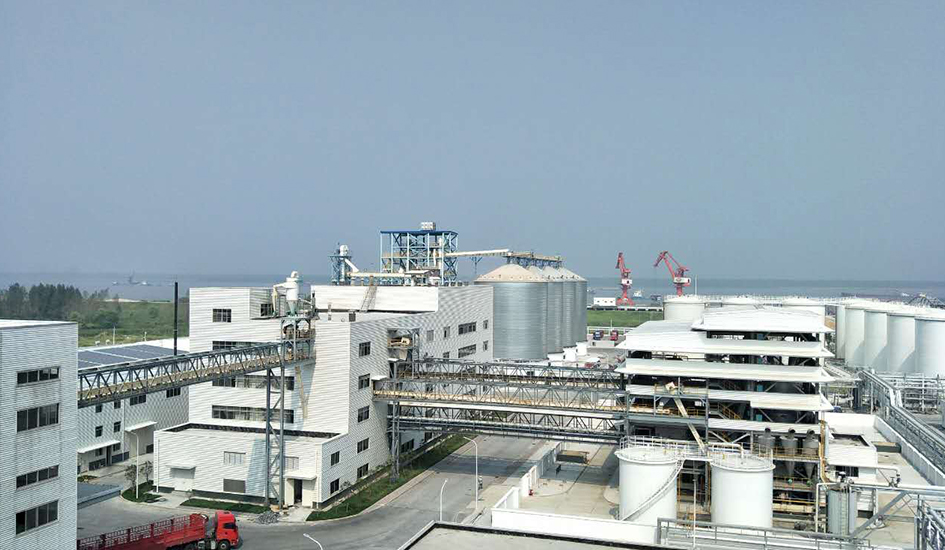
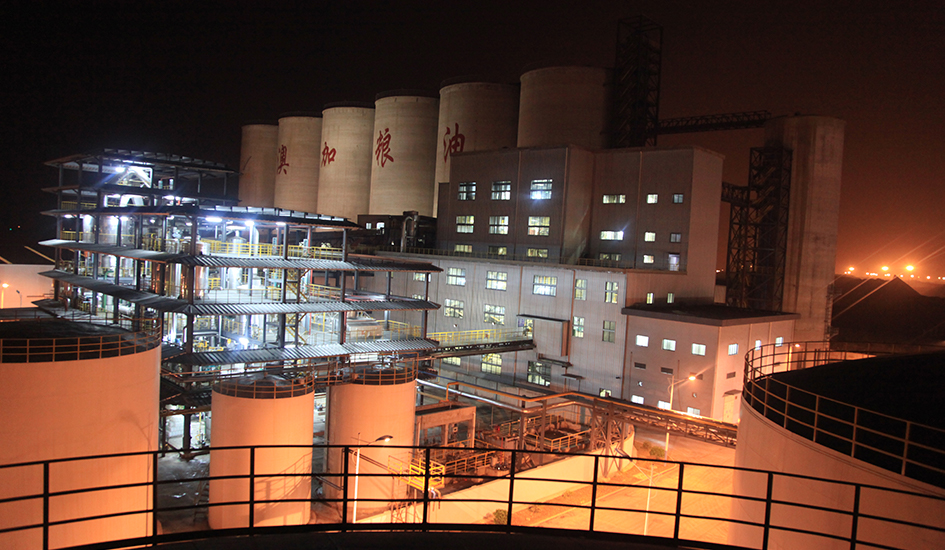
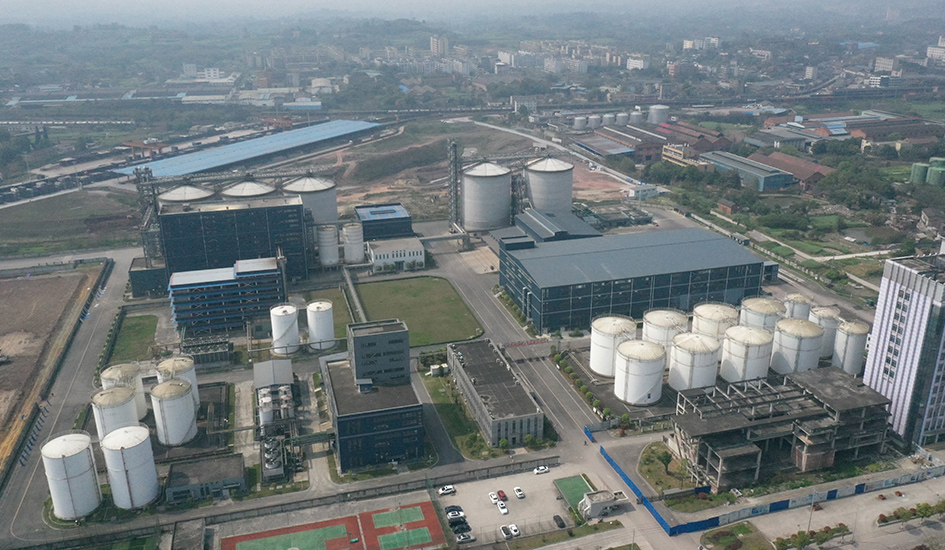
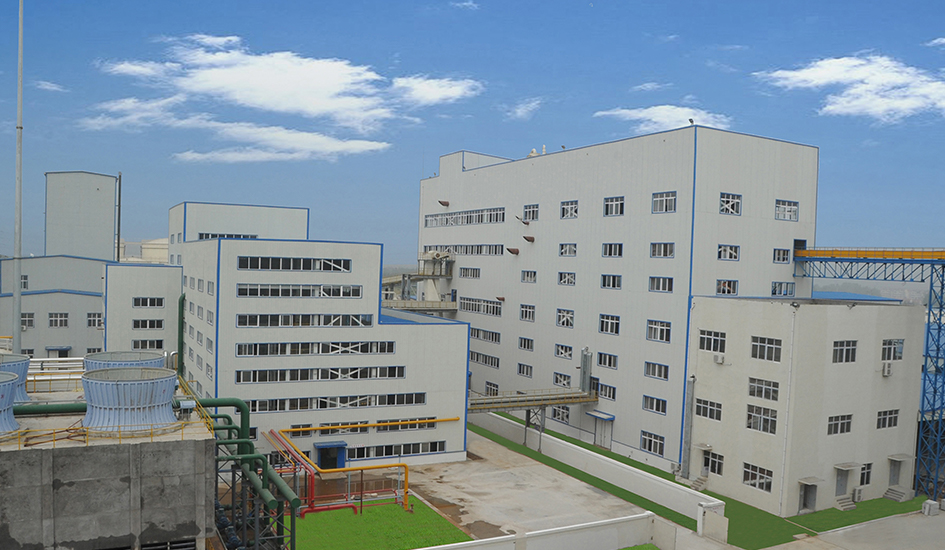
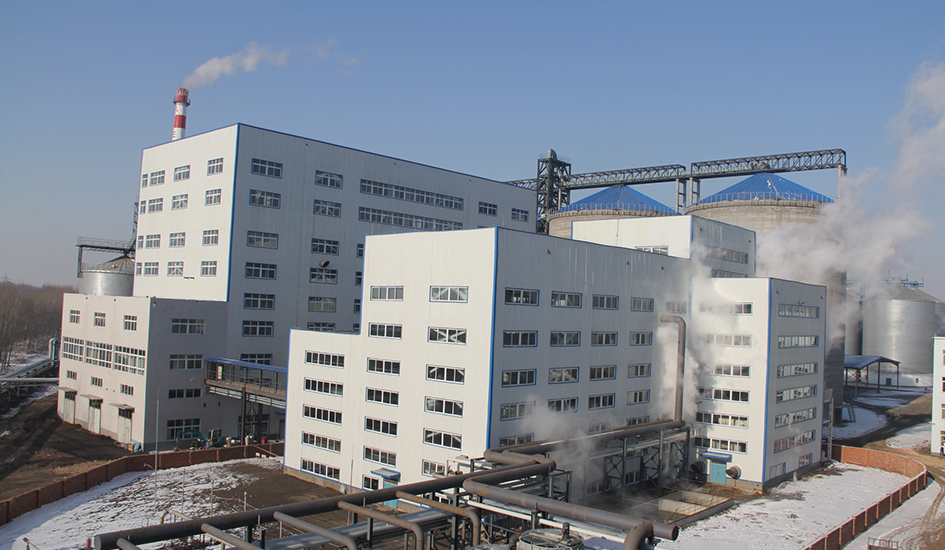
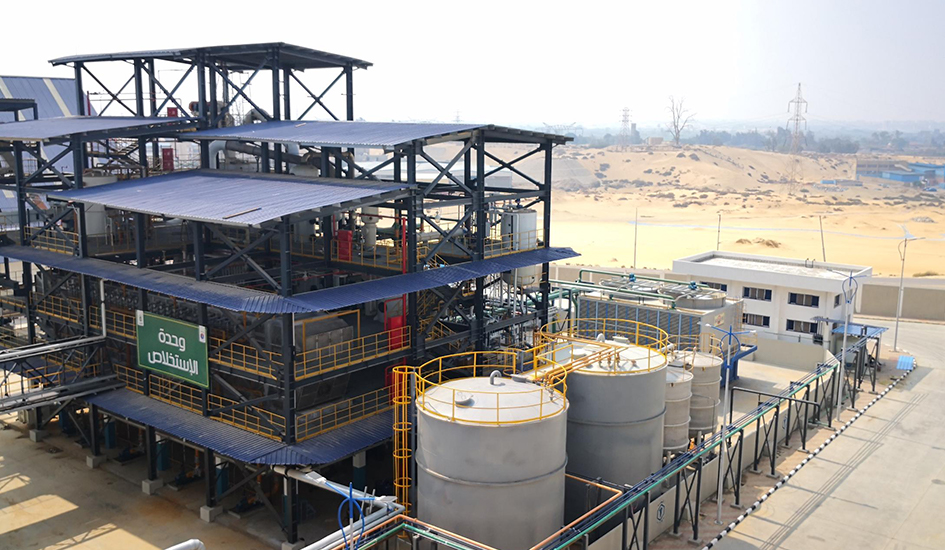
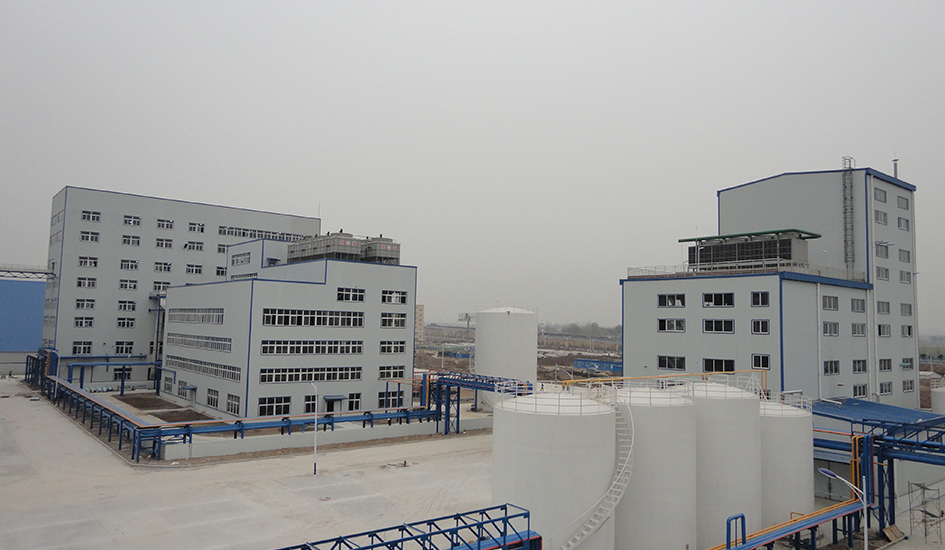
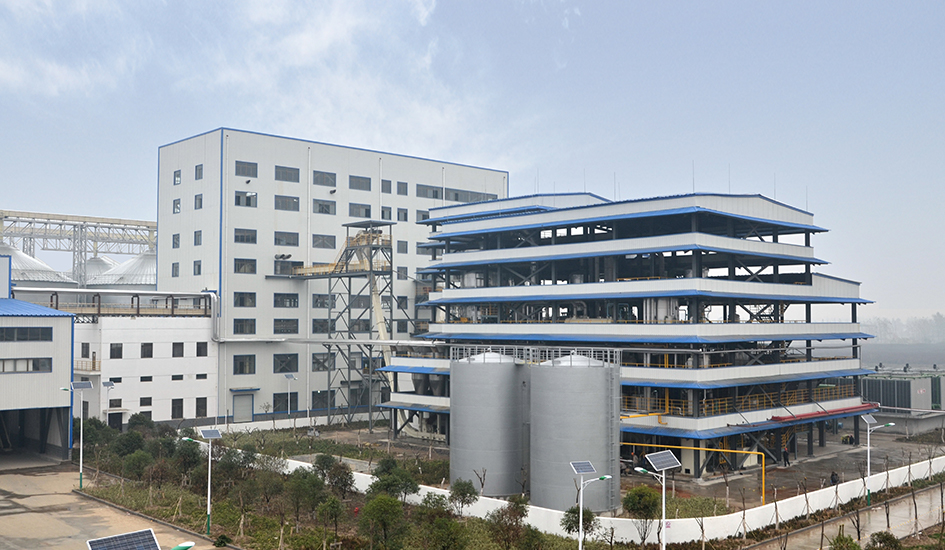
Design and implementation experience of more than 200 mega projects (Capacity above 1,000TPD oilseed input).
Core Myande Canola Oil Extraction Machine


Immersive experience of modern canola oil production line
Why Modern Canola Oil Processing Requires Advanced Engineering
The global edible oil industry is evolving toward greater efficiency, sustainability, and product quality consistency. Canola oil continues to gain market share due to its nutritional advantages and versatility across food applications including:
- Cooking oils
- Frying oils
- Margarine
- Salad dressings
- Processed food manufacturing
At the same time, canola oil producers face increasing pressure to:
- Improve oil extraction efficiency
- Reduce solvent and energy consumption
- Improve refining consistency
- Lower operating costs
- Increase automation
- Meet stricter food safety and environmental standards
Modern canola oil plants must integrate multiple process stages — from seed preparation and pressing to extraction and refining — into one coordinated and efficient production system.
Myande’s integrated engineering solutions are designed to help customers achieve stable industrial production with optimized process performance and long-term operational reliability.

Market of Rapeseed Oil Pressing

Global Canola Seed Production
(Source: Mordor Intelligence)


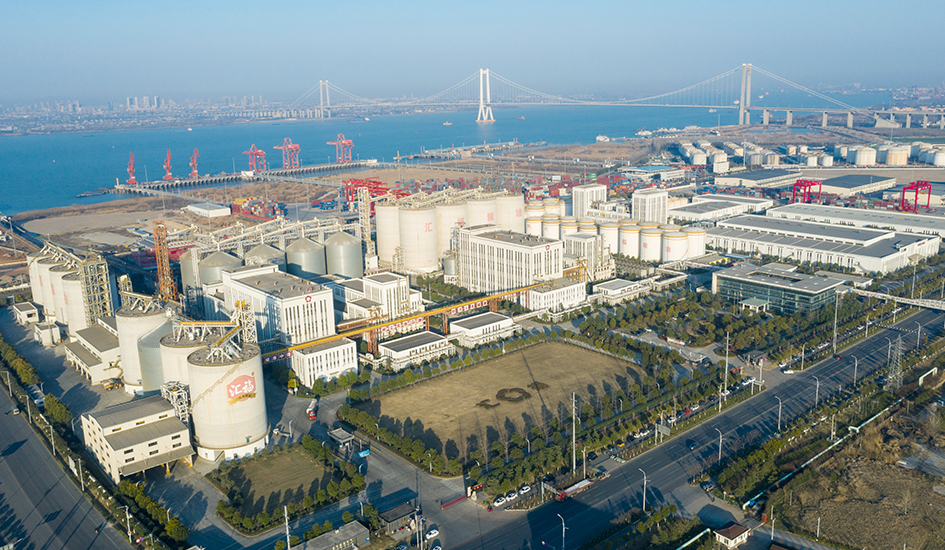
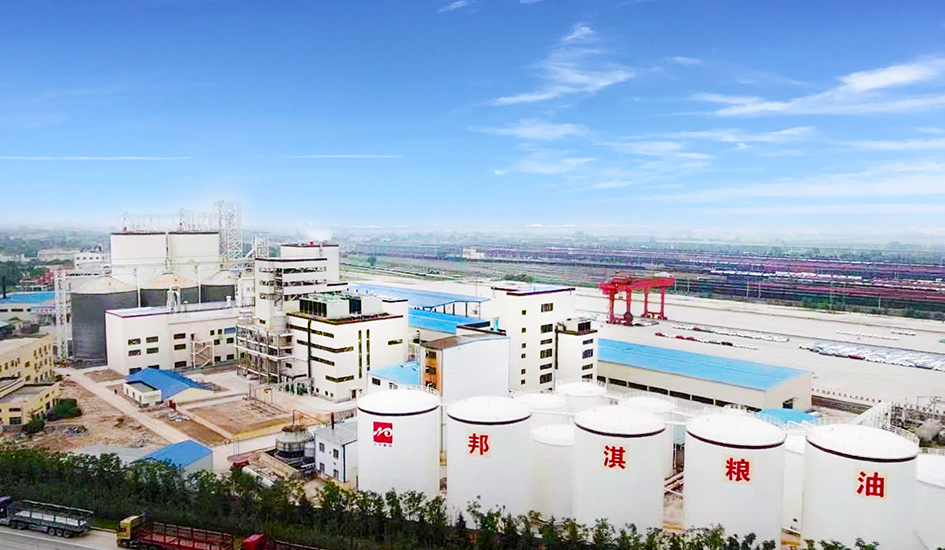

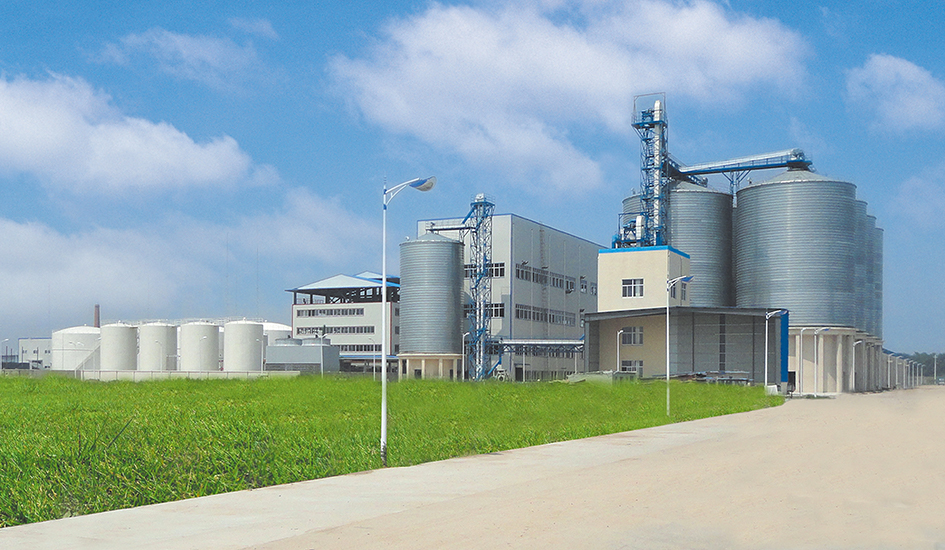






Myande - No. 1 market share in China’s oils & fats engineering field
In the Chinese market, over the past five years, Myande has delivered new capacities of 19.72 million tons/year in oilseed crushing and 2.205 million tons/year in oil refining. This represents a market share of up to 84.1%, ranking No.1 in China.
Globally, over the same period, Myande has delivered a total of 33.75 million tons/year of new oilseed crushing capacity. In 2024, Myande achieved a 31.2% global market share in oilseed crushing projects, reinforcing its position as a leading global turnkey solution provider.
For years, Myande has maintained the No. 1 market share in China’s oils & fats engineering equipment sector — a reflection of our long-term commitment to innovation, reliability, and customer success.

They trust and choose Myande
More than 1,600 complete plants have been supplied under Myande’s name in over 80 countries since 2003.
Behind every successful project is a great team. Our team is comprised of skilled individuals that share one common goal – Help our clients succeed.

What can we do for you?
We focus on supplying one-stop engineering service covering general layout plan, process design, R&D, equipment manufacturing, automatic control system, data integration, installation, supervision, commissioning, training and etc.
Our custom solutions come from a deep understanding of your needs, and we have the capability to complete each project from the design of the initial concept to manufacturing, installation, commissioning and delivery.
Solution Tailored to Your Needs

General Layout Plan
With a land prepared, the next thing you should consider is planning the general layout, which is a crucial foundation of a sustainable and cost-effective manufacturing.
Turn to us for help and we will present you the design for your plant by considering water, steam, electricity supply and etc.

Process Design
Combining our engineering expertise, industry know-how and practical skills with your knowledge, we provide the optimized and customized process design for your plant.

3D Plant Design
On the basis of plant layout design, combined with real situation, we can design a three-dimensional model of the entire plant. All the equipment, piping and instruments, any detail can be shown in the model, not only allowing you to have an intuitive understanding of the plant, but also providing overall information support for plant construction, equipment installation and future expansion.

Automatic Control System
We offer economical and most effective process automation solutions for the entire production line. Our RES automatic control system is developed based on PLC/DCS system.

Data Integration
From the perspective of the overall operation of the factory, Myande intelligent data integration management system collects basic data from raw grain procurement, warehousing, processing, inventory, sales and logistics, relying on the interconnection network system of each workshop. It provides real-time, accurate and traceable data reports for the current storage, processing and shipping.

Equipment Manufacturing
We owns in-house manufacture base of more than 130,000㎡ integrating R&D, production, project management which represents advanced engineering capability in the industry.

Installation and Commissioning
After finishing the installation of all machines, we offer on-site commissioning service to ensure compatible functioning.
Every move of the machine needs strong technical support from our experienced engineers. The only principle is that you can start manufacturing right after the commissioning.

Training and After-sales Service
Myande 360° Service Portfolio covers all your needs throughout the life cycle of your project. By minimizing your total cost of ownership, we help you stay ahead of the competition.
About Myande
Myande Group is a globally leading supplier of complete plants, equipment, and services for Oils & Fats, Starch & Derivatives, Fermentation, Evaporation & Crystallization, Material Storage and Handling and Smart Factory industries.
Myande Group currently has 1,600+ employees including 800 technical staff and 800 manufacturing workers. More than 1,600 complete plants have been supplied under Myande’s name in over 80 countries since 2003.
World-leading manufacturing base
In-house manufacture base of more than 130,000㎡ that integrates R&D, production, and project management, representing world-class engineering capability in the industry.

No Compromise on Quality
We are highly committed to Quality Assurance.
Our facilities and processes adhere to the highest local and international industry standards and certifications and are audited regularly for compliance.
With a global quality management system, we ensure that our customers all over the world receive high-quality, reliable products and solutions. We are well aware that our equipment have to function safely and efficiently for decades.
To effectively carry on the spirit of artisanship, improve the overall quality of front-line employees, we hold the “Workmanship Skills Competition" every year.


Certificates & Patents
At Myande, innovation is the result of the total process of developing an idea into a product or a new way of working which adds value to the business.
Over 600 registered patents and utility models demonstrate the company's innovation potential.

Our Global Presence
We focus on supplying one-stop engineering service covering general layout plan, process design, R&D, equipment manufacturing, automatic control system, data integration, installation, supervision, commissioning, training and etc.
Our custom solutions come from a deep understanding of your needs, and we have the capability to complete each project from the design of the initial concept to manufacturing, installation, commissioning and delivery.
Useful Articles

How to Choose the Right Oil Press Machine for Your Business
Choosing the right oil press machine is a crucial step for any business involved in oil production. With so many different types and models available, selecting the right one can be a daunting task. However, the right choice can greatly impact the quality and quantity of oil produced, as well as the overall efficiency of the production process. In this article, we will discuss the key factors to consider when choosing an oil press machine to help you make an informed decision for your business. Working Principle of Oil Press Machine Oil press machine is a mechanical device that extracts oil from seeds and nuts by applying mechanical pressure. The working principle of an oil press machine involves three main processes: feeding, pressing, and filtering. Firstly, the seeds or nuts are fed into the machine through a hopper. They are then conveyed to a pressing chamber where a screw or hydraulic press applies pressure to crush the seeds or nuts and extract the oil. As the seeds or nuts are crushed, the oil flows out and is collected in a container. The remaining solid material, known as the cake, is then ejected from the machine. Finally, the oil is filtered to remove any impurities and ensure it is of high quality. The filtered oil can then be stored or further processed depending on the desired end product. Oil press machines can be operated manually, with the use of electric motors, or through hydraulic power. The choice of the power source depends on the capacity of the machine and the nature of the seeds or nuts being pressed. In addition, oil press machines have various components that work together to extract oil from oilseeds and nuts. These components include:● Feed Hopper: The feed hopper is where the oilseeds or nuts are placed before being processed.● Press Chamber: The press chamber is where the oil extraction process takes place. It contains the screw or hydraulic press that applies pressure to the oilseed or nut.● Heating System: Some oil press machines have a heating system that heats the oilseed or nut before pressing. This helps to improve oil extraction efficiency.● Oil Filter: The oil filter is used to remove impurities from the extracted oil.● Control Panel: The control panel is used to operate the oil press machine and control various parameters such as temperature, pressure, and speed.● Electric Motor: The electric motor powers the screw or hydraulic press, which applies pressure to the oilseed or nut.● Gearbox: The gearbox is used to control the speed of the screw or hydraulic press. Understanding the working principle and components of an oil press machine is essential to selecting the right machine for your business needs. Types of Oil Press Machines There are several different types of oil press machines available on the market, each with its own unique characteristics and features. Some of the most common types include hydraulic oil press machines and screw oil press machines. Hydraulic oil press machines use hydraulic pressure to extract oil from oilseeds and nuts, while screw oil press machines use a screw to compress or squeeze to extract the oil. Each type of machine has its own advantages and disadvantages, which should be carefully considered when selecting the appropriate machine for your business. Capacity of Oil Press Machine The capacity of an oil press machine refers to the amount of oil that can be extracted from raw materials in a given time period. It is usually measured in kilograms per hour (kg/h) or liters per hour (L/h). Different types of oil press machines have different capacities, ranging from small household machines with a capacity of a few kilograms per hour to large industrial machines that can process hundreds or thousands of kilograms of raw materials per hour. The capacity of an oil press machine is an important factor to consider when choosing the right machine for your business, as it will determine how much oil you can produce and sell in a given time period. Factors to Consider When Choosing an Oil Press Machine When choosing an oil press machine, several factors should be considered to ensure the most suitable machine is selected for the specific business needs. These factors include: 1. The type of oilseeds or nuts to be processed: Different oil press machines are designed to work with specific types of oilseeds or nuts. It is important to choose a machine that is capable of handling the particular type of oilseed or nuts that will be processed. 2. The desired output and yield: The amount of oil output and yield required will determine the capacity of the oil press machine needed. It is essential to choose a machine with a suitable capacity to meet the desired output and yield. 3. The available space and budget: The size of the oil press machine will depend on the available space in the production area. Some machines are more compact and require less space, while others are larger and require more significant investment. It is important to determine the available space and budget to select a machine that fits within your constraints. 4. The level of automation required: The level of automation required will depend on the scale of production and the available workforce. Choosing an oil press machine with the appropriate level of automation can help to increase efficiency and reduce labor costs. How to Choose the Right Oil Press Machine for Your Business Now that we have discussed the factors to consider when choosing an oil press machine, it is important to summarize them before providing a step-by-step guide on selecting the right machine. The factors to consider include the type of oilseeds or nuts to be processed, the desired output and yield, the available space and budget, and the level of automation required. To choose the right oil press machine for your business, follow these steps:● Determine the type of oilseeds or nuts you want to process and ensure that the machine you choose can handle those specific materials.● Decide on the desired output and yield, and choose a machine that can meet those requirements.● Consider the available space and budget, and select a machine that fits both of those criteria.● Evaluate the level of automation required and choose a machine that meets your needs. By following these steps, you can ensure that you choose the right oil press machine for your business and maximize your production efficiency. Conclusion In conclusion, choosing the right oil press machine is crucial for the success of your business. Factors such as the type of seeds or nuts, desired output and yield, available space and budget, and level of automation required should be carefully considered before making a decision. By following the step-by-step guidance provided in this article, you can make an informed decision that meets your specific needs and requirements. Remember to always prioritize quality, reliability, and efficiency when selecting an oil press machine for your business. With the right machine, you can increase productivity, save time and money, and achieve optimal results.

Cold-Pressed or Hot-Pressed: Which Oil Packs a Punch?
Introduction When it comes to cooking oils, there are two main methods of extraction: cold-pressed and hot-pressed. While both methods involve extracting oil from seeds or nuts, they differ in terms of the process used and the characteristics of the resulting oil. In this article, we'll explore the differences between cold-pressed and hot-pressed oils, and highlight the advantages and disadvantages of each method. What is cold-pressed oil? Cold-pressed oil is made by extracting oil from seeds or nuts using a mechanical press that applies pressure and heat at a low temperature, typically below 120 degrees Fahrenheit. This process helps to preserve the natural flavor and nutrient content of the oil, as well as prevent oxidation and degradation. Because no heat or chemicals are used in the extraction process, cold-pressed oils are often considered to be healthier and more natural than other types of oils. Some key characteristics of cold-pressed oil include: ● A rich, natural flavor ● A high nutrient content, including vitamins, antioxidants, and essential fatty acids ● A low smoke point, which makes it best suited for low-heat cooking methods like sautéing and drizzling over foods ● A shorter shelf life than some other oils, due to its high unsaturated fat content and susceptibility to oxidation. Overall, cold-pressed oil is a great choice for those who prioritize natural and healthy cooking methods, and want to enjoy the full flavor and nutritional benefits of their oil. What is hot-pressed oil? Hot-pressed oil refers to oil that is extracted from seeds or nuts by applying heat to the material before pressing. The heat helps to release the oil from the source material and improve the yield of oil. Typically, the seeds or nuts are roasted before being pressed to produce hot-pressed oil. The high temperature and pressure during hot-pressing can also alter the taste and nutritional composition of the oil. Hot-pressed oil is often used in commercial applications due to its higher yield and lower production costs compared to cold-pressed oil. Some key characteristics of hot-pressed oil include: ● A higher smoke point, which makes it more suitable for high-heat cooking methods like frying and baking ● A milder flavor than cold-pressed oil, due to the removal of some of the natural flavor compounds ● A lower nutrient content than cold-pressed oil, due to the use of high-temperature extraction methods. Such as Vitamin E, sterols, carotenoids and etc. What are the differences between cold-pressed and hot-pressed oil? 1. Production process: Cold-pressed oil is extracted from seeds or nuts without the use of heat, while hot-pressed oil is extracted by applying heat to the source material before pressing. 2. Nutrient content: Cold-pressed oil retains more of the natural nutrients found in the source material, as the absence of heat prevents nutrient loss or degradation. In contrast, hot-pressed oil may lose some nutrients due to the heat used in the pressing process. 3. Flavor and aroma: Cold-pressed oil typically has a more distinct and pronounced flavor and aroma, while hot-pressed oil may have a more muted or generic taste profile. 4. Yield: Hot-pressed oil generally yields more oil per unit of source material than cold-pressed oil due to the application of heat, which helps to release more oil from the seeds or nuts. 5. Cost: Cold-pressed oil is typically more expensive than hot-pressed oil, as the lower yield and higher production costs associated with cold-pressing contribute to a higher price point. Ultimately, the choice between cold-pressed and hot-pressed oil comes down to personal preference and the intended use of the oil. Cold-pressed oil may be preferred for its higher nutrient content and distinct flavor, while hot-pressed oil may be favored for its lower cost and higher yield. What are the advantages of hot-pressed oil? 1. Higher yield: Hot-pressing typically yields more oil per unit of source material compared to cold-pressing. This is because the heat used in the hot-pressing process helps to release more oil from the seeds or nuts. 2. Consistency: Hot-pressed oil has a more consistent flavor and aroma compared to cold-pressed oil, which can vary in taste and scent depending on factors such as the type of oilseed or nut and the production process. 3. Lower cost: Hot-pressed oil is generally less expensive than cold-pressed oil due to the higher yield and lower production costs associated with hot-pressing. 4. Longer shelf life: Hot-pressed oil has a longer shelf life compared to cold-pressed oil, as the heat used in the pressing process can help to destroy bacteria and other microorganisms that can cause spoilage. 5. Availability: Hot-pressed oil is more widely available than cold-pressed oil, as the hot-pressing process is faster and more efficient, allowing for larger-scale production and distribution. Overall, hot-pressed oil may be a preferred choice for those who value consistency, cost-effectiveness, and availability, and do not require the higher nutrient content and distinct flavor of cold-pressed oil. What are the advantages of cold-pressed oil? The main advantage of cold-pressed oil is in terms of nutrient retention and taste. Because cold-pressed oil is extracted using a low-temperature, mechanical process, it preserves the natural flavor and nutrient content of the oil. This means that cold-pressed oil is often richer in vitamins, antioxidants, and essential fatty acids than hot-pressed oil. Additionally, the natural flavor compounds in cold-pressed oil can be more complex and nuanced than those in hot-pressed oil, which can make it a preferred choice for certain cooking applications. What are the disadvantages of cold-pressed oil? 1. Lower yield: Cold-pressing typically yields less oil per unit of source material compared to hot-pressing. This is because the absence of heat in the cold-pressing process means that some of the oil remains trapped in the seed or nut pulp. 2. Higher cost: Cold-pressed oil is generally more expensive than hot-pressed oil due to the lower yield and higher production costs associated with cold-pressing. 3. Shorter shelf life: Cold-pressed oil has a shorter shelf life compared to hot-pressed oil, as the absence of heat in the pressing process can allow bacteria and other microorganisms to grow, causing spoilage. 4. Inconsistent quality: Cold-pressed oil can vary in flavor and aroma depending on factors such as the type of seed or nut and the production process. This inconsistency may make it difficult for consumers to know what to expect from each batch of oil. 5. Limited availability: Cold-pressed oil is less widely available than hot-pressed oil, as the cold-pressing process is slower and less efficient, allowing for smaller-scale production and distribution. Overall, cold-pressed oil may be a preferred choice for those who value the higher nutrient content, distinct flavor, and potential health benefits of this type of oil, but are willing to pay a premium price and accept a shorter shelf life and potential inconsistency in quality. How do you know if oil is cold-pressed? To identify cold-pressed oil, you can look for specific labeling on the packaging. The label might say "cold-pressed," "expeller-pressed," or "cold-pressed extra-virgin." Additionally, cold-pressed oils tend to have a more vibrant color and a stronger, fresher taste compared to hot-pressed oils. They may also have a slightly cloudy appearance due to the presence of sediment and particles from the pressing process. If you have access to the producer of the oil, you could also ask about their production methods to confirm if it is cold-pressed. Why is cold-pressed oil more expensive? Cold-pressed oil is more expensive than hot-pressed oil due to several factors. Firstly, cold-pressed oil yields are typically lower than hot-pressed oil yields, which means that more raw materials are needed to produce the same amount of oil. This is because the cold-pressing process does not use heat to extract the oil, which results in a slower and less efficient extraction process. Secondly, the production of cold-pressed oil involves higher labor and equipment costs. The pressing machines used in the cold-pressing process are more expensive and require more maintenance and cleaning than the equipment used in the hot-pressing process. Additionally, the cold-pressing process requires more manual labor, as the oil is extracted in small batches. Finally, cold-pressed oil is typically considered to be of higher quality than hot-pressed oil, as it retains more of the natural nutrients and flavors of the raw materials. This means that cold-pressed oil is often marketed as a premium product, which also contributes to its higher price point. Conclusion In conclusion, both cold-pressed and hot-pressed oils have their benefits and drawbacks. Cold-pressed oil is a healthier and more natural option, but it is more expensive and has a lower yield. Hot-pressed oil, on the other hand, is cheaper and has a higher yield, but it may have a lower nutritional value. Ultimately, the choice between cold-pressed and hot-pressed oil depends on the types of oilseeds, individual preferences and needs. It is essential to read the labels carefully and make an informed decision based on the oil's production method, nutrient content, taste, and price.

A Comprehensive Guide to Choosing a Reliable Edible Oil Machine Manufacturer in China
Edible oils are an essential part of our daily diet, and with the growing demand for healthier and high-quality oils, the edible oil processing industry has seen tremendous growth. If you are a part of this industry and looking for a reliable and trustworthy edible oil machine manufacturer in China, then this guide is for you. Choosing the right edible oil machine manufacturer is crucial to ensure the quality of the final product and the overall success of your business. With so many options available in the market, it can be overwhelming to select the right manufacturer. In this guide, we will take you through the factors to consider while choosing an edible oil machine manufacturer in China. Expertise The first and foremost factor to consider is the manufacturer's expertise in the industry. Look for a manufacturer with a proven track record of delivering high-quality products and services. Check if they have experience in designing, manufacturing, installing, commissioning, and turnkey solutions. Look for their certifications, awards, and recognition in the industry. A manufacturer with extensive expertise will understand the requirements of your business and provide you with the right solutions. Authenticity Before selecting a manufacturer, check their reputation in the market. Read reviews, testimonials, and feedback from their previous clients. Research the manufacturer's background, including its history, mission, and values. Check if a large number of representative industry giants are working with the manufacturer on an ongoing basis. If so, it means that the overall strength of the manufacturer is pretty good. Trustworthiness A trustworthy manufacturer is essential to ensure that you get the best quality machine and services. Look for a manufacturer with a robust customer support system. Check if they offer technical support, maintenance, and after-sales services. Look for manufacturers that offer warranties and guarantees on their products. Trustworthy manufacturers will also provide you with detailed product information, pricing, delivery timelines, and project execution plans. Experience Experience is an essential factor to consider while choosing an edible oil machine manufacturer. Look for a manufacturer that has been in the industry for a long time and has a broad customer base. Experienced manufacturers will have a better understanding of the market and its requirements. They will also have a better understanding of the challenges faced by the industry and provide you with the right solutions. Manufacturing Strength Manufacturing capabilities and platforms are a reflection of an engineering company's strength. Check if the manufacturer has its own manufacturing base. Nowadays, there are many manufacturers in the market who choose numerous small factories to outsource equipment manufacturing, and the resulting uncertainty of product quality and delivery time will bring you a lot of trouble. Design and Engineering Teams The design and engineering teams are critical to the success of your project. The team should be highly experienced in the field of edible oil processing. Check if they offer custom design services and assess how their engineers work with clients to develop the best solution to meet their needs. Product Quality The quality of the product is crucial when it comes to choosing an edible oil machine manufacturer. Look for manufacturers that use high-quality materials and components. Check if they have quality control processes in place and globally recognized certifications. Choose a manufacturer that follows international standards for product quality and safety. Customer Service The manufacturer's customer service is critical as they will be working closely with you to understand your requirements and provide adequate support through the process. Ask about their customer service process, including access to technical support, availability of customer service staff, and response time. After-Sales Support The sale of equipment is only the beginning of an ongoing relationship with a manufacturer. It is important to identify a company that offers after-sales support. This may include training, maintenance, repair, and spare parts availability. Make sure you understand the scope of their after-sales support before deciding on a manufacturer. Price Price is a significant factor to consider while choosing an edible oil machine manufacturer. Look for a manufacturer that offers competitive pricing without compromising on product and service quality. Avoid manufacturers that offer significantly low prices as they may compromise on the product and service quality. Conclusion Choosing the right edible oil machine manufacturer in China is crucial to ensure the success of your business. A reliable manufacturer will not only provide you with the best quality machine but also offer you technical support, maintenance, after-sales services and more hidden value-added services. By following these guidelines, you can filter out the low-quality manufacturers with ease, and shortlist those who meet your requirements. Always remember that quality, customer service, and after-sales support should never be compromised for a lower price. If you're searching for an experienced and reliable edible oil machine manufacturer in China, look no further than Myande Group. With over 20 years of experience and 1000 customers worldwide, Myande has a proven track record of delivering high-quality products and services. Myande Group values customer satisfaction and creates value for its customers by offering competitive pricing without compromising on the quality of its products and services.

Impact of "Carbon Neutrality" on Edible Oil Industry
What is carbon neutrality? Carbon neutrality means having a balance between emitting carbon and absorbing carbon from the atmosphere in carbon sinks. Removing carbon oxide from the atmosphere and then storing it is known as carbon sequestration. In order to achieve net zero emissions, all worldwide greenhouse gas (GHG) emissions will have to be counterbalanced by carbon sequestration. The main culprit behind floods, droughts, extreme cold and heat waves, and melting glaciers are greenhouse gases emitted by human activities, which have caused global warming to intensify and pose a huge threat to the earth. So it is imperative to take action. UN member states have reached a consensus to achieve global "carbon neutrality" between 2050 and 2100. A growing number of countries have announced timelines for achieving carbon neutrality. China also clearly stated in 2020 that it would achieve carbon neutrality by 2060. Edible oil industry and "carbon neutrality" In order to achieve the goal of carbon neutrality and zero emissions, countries have begun to carry out energy transformation: gradually reduce the use of fossil energy such as coal and oil, and shift to wind power, solar energy, biomass and other low-carbon clean energy. Soybean oil, palm oil, canola oil and other vegetable oils can be used to produce biofuels, so vegetable oil is no longer just for human consumption, cars, airplanes, ships, etc. also "drink" vegetable oil. Indonesia, the largest producer and exporter of palm oil, mandates a 30% blend of palm oil (B30) in diesel in 2020 and plans to increase to B40. Malaysia plans to complete a national B20 biodiesel program by 2022. The United States has clearly proposed a clean energy plan and focus on the application of biomass liquid fuels. More and more soybean oil in the United States is used to make biodiesel, which has accounted for about 40% of the total consumption of soybean oil. Although the mandatory biodiesel blending policies of various countries have been repeated from time to time, the industrial demand for vegetable oil is rising in the context of global "carbon neutral", accounting for about 30% of the total global demand for vegetable oil, and it is difficult to reverse the direction of advancement. Industry giants are looking to the wind and have set off a wave of entry into the biofuel market. Since 2021, international grain merchants such as ADM, Bunge and Cargill, international energy giants such as ExxonMobil, Marathon Oil and Chevron, and even international food giants including Nestle, have increased their bets on the biofuel sector. They build and expand new soybean, rapeseed and other oilseeds crushing plants, or renovate traditional oil refineries, or join hands with joint ventures to produce renewable diesel. As the scale of biofuel processing capacity continues to expand, giant producers are bound to compete fiercely around feedstock including vegetable oils, thus becoming an important variable affecting the supply and demand pattern of oils and fats. The raw material side of the edible oil market may experience more thrilling ups and downs. Edible oil producers and "carbon neutrality" For edible oil producers, "carbon neutrality" means that the traditional industrial era is coming to an end, but also means the advent of a green development approach and a possible trend of low-carbon food consumption. In the future, regardless of the size of enterprises, they will have to set carbon emission reduction targets and design carbon emission reduction initiatives, even affecting bank loans, because banks also have the task of "green finance" to reduce emissions. In July 2021, the UN Global Compact released the report "Corporate Net Zero Pathway", which recommends that companies in all industries develop net-zero transition programs based on nine key initiatives. Food products need to go through R&D, harvesting, processing, distribution, retail, storage and other links before being put on the table. Each link generates greenhouse gases. Therefore, the carbon emission reduction of food manufacturers, including edible oil producers, includes: reducing carbon emissions in the manufacture process, reducing packaging complexity, switching to recyclable materials, and reducing carbon emissions in the transportation and distribution of raw materials and products. China's leading edible oil manufacturers have already begun the practice of "carbon neutrality". In 2020, 88% of the energy needs of COFCO International's global operations has been met by renewable energy and carbon emissions has been reduced by 4% overall. Yihai Kerry has adopted green development measures, such as building a solar photovoltaic system on the roof of an existing factory building, to reduce carbon emissions and reap economic benefits. Low-carbon food development will also be a new opportunity. Low-carbon food is food that consumes less energy and emits less greenhouse gases during its life cycle (from the processing of raw materials to the consumption), while the opposite is high-carbon food. In a word, "carbon neutrality" has risen to the level of global strategy, and the driving force of green technology and low-carbon food industry innovation is bound to strengthen. In order to avoid lagging behind in the transition to a green economy, edible oil manufacturers should plan early for "carbon reduction" goals such as circular economy, green energy, and zero-carbon factories, and start putting them into practice. View more on LinkedIn

Moderate Processing of Edible Oil: The Key to Quality and Healthy Cooking
Edible oils are a crucial ingredient in our daily meals and significantly impact the taste, texture, and quality of our food. As the demand for processed foods increases, the quality of edible oils has become a concern for health-conscious consumers. Aggressive processing methods used by many manufacturers can compromise the nutritional value and flavor of the oil. As a result, moderate processing of edible oils has gained popularity in recent years due to its ability to preserve the natural properties of the oil without compromising on taste or quality. What is Moderate Processing of Edible Oil? Moderate processing refers to the process of oilseed pretreatment, oil extraction, refining, and packaging using minimal heat and no chemical solvents. In this process, the oil is extracted directly from oilseeds through a mechanical pressing method. Moderate processing is considered the middle ground regarding processing methods between raw pressing and full processing. Raw pressing uses no heat or solvents in the extraction of the oil, which is usually of low quality and has a shorter shelf life. Full processing, on the other hand, involves high temperature and chemical solvents, leading to a loss of essential nutrients and natural flavors. Why is Moderate Processing Important? Moderate processing allows for the retention of most of the natural and beneficial components found in the original ingredient. This is because moderate processing uses low heat, which ensures that the nutritional content such as vitamins and antioxidants are preserved. Additionally, moderate processing helps to eliminate impurities, such as harmful chemicals, reducing the overall health benefits of the product oil. The Benefits of Moderately Processed Oils: When it comes to nutrition, moderately processed oils are the best choice. They contain higher levels of beneficial components and natural flavors compared to fully processed or raw-pressed oils. The oil's natural texture is retained as mechanical pressing is less harmful than chemical extraction, which ensures that the oil maintains its original flavor and aroma. Moderately processed oils are popular because they provide several health benefits. Firstly, the oil is rich in good cholesterol, which is essential for heart health. These oils are also rich in essential fatty acids such as Omega-3, Omega-6, and Omega-9, which are essential for the growth and repair of body cells. Moderately processed oils have also been shown to reduce inflammation in the body, which is vital for maintaining overall health. How Does Myande Group Help? Myande Group is a leading provider of equipment and engineering solutions for the edible oil industry. With years of experience, they have been offering innovative solutions for the moderate processing of oilseeds and edible oils, including oilseed cracking, flaking, pressing, extrusion, extraction, refining processes that align with food safety standards worldwide. Their commitment to eco-friendly and sustainable practices further ensures a future where moderate processing of edible oils will remain an integral part of the healthy living experience. Conclusion Moderate processing of oilseeds and edible oil are essential for the preservation of natural nutrients while eliminating harmful substances. When oils undergo moderate processing, they retain their nutritional value and natural flavor, providing health benefits for the body. Myande Group is an industry leader in the provision of equipment and engineering solutions for moderate processing of edible oils, promoting sustainable practices that align with global food safety standards. They are the perfect partner for those seeking a more sustainable and eco-friendly future for the edible oil industry.

2,000TPD Rapeseed Crushing Plant Launched
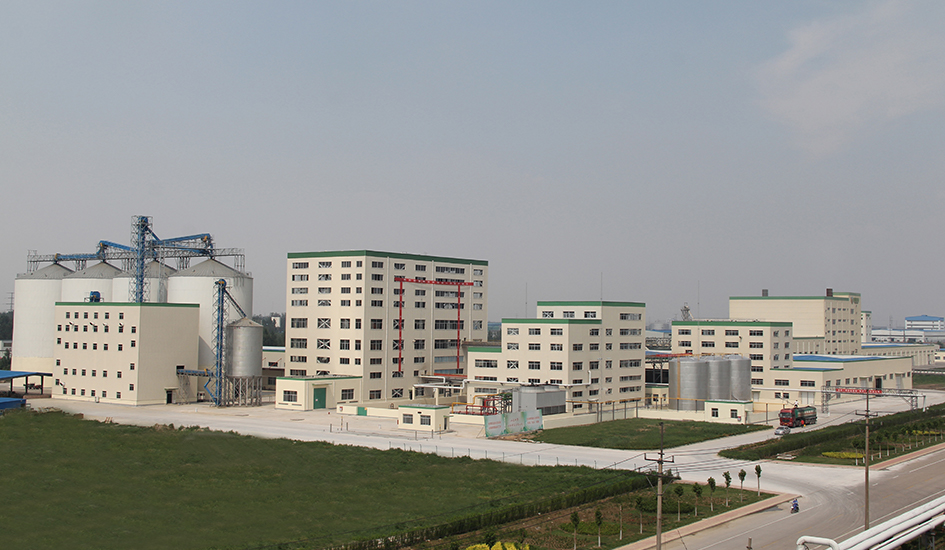
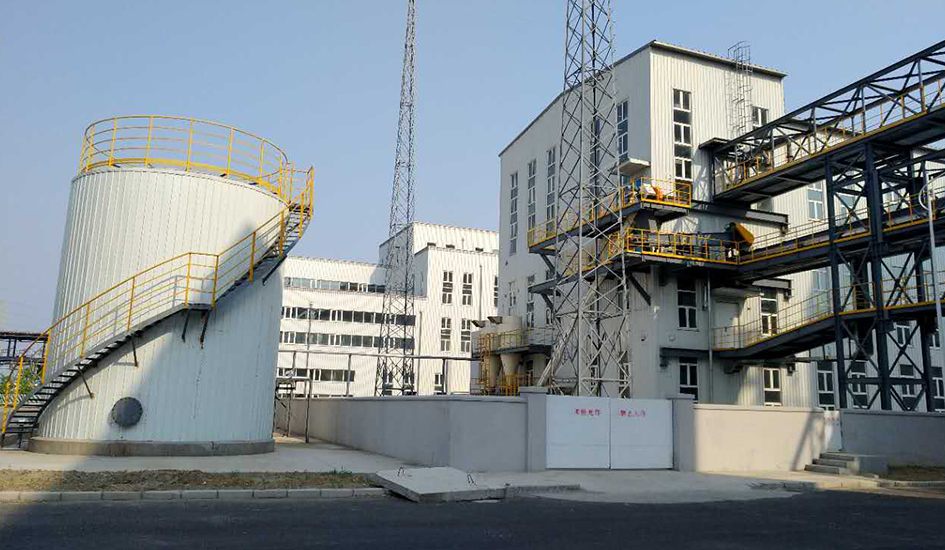
Recently, a 2,000 t/d rapeseed crushing plant built by Myande Group for Daodaoquan Grain and Oil Co., Ltd. started operation successfully and started to yield qualified rapeseed oil and meal. Daodaoquan Grain and Oil Co., Ltd. is a comprehensive oil processing enterprise integrating production, scientific research, trade, warehousing and logistics of edible vegetable oil and its related by-products. This new rapeseed crushing plant incorporates a wide range of Myande core equipment possessing independent intellectual property rights, including the E-type extractor, hydraulic flaker, DTDC, conditioner, and other key equipment. To achieve flexible material incoming and discharging, Myande CCJL series sweep auger and CQJL series reclaimer are used. In addition, advanced energy-saving technology, negative pressure draining technology and intelligent safety technology are used to ensure the stable operation of the entire production line and excellent product index. With the concept of "creating the best performance for our customers", Myande cooperates with DaoDaoQuan to build a modern, energy-efficient, and environmentally friendly factory.
FAQ
-
What are the advantages of Myande compared to other companies?
-
1. Strategical partnership with the top giant agricultural processing companies, like Cargill, Bunge, Louis Dreyfus, ADM, Wilmar, COFCO etc.
2. Design and implementation experience of more than 200 mega projects (Capacity above 1,000TPD oilseed input).
3. More than 70% market share in China in the past 10 years.
4. World's largest and advanced 130,000 SQM in-house design and manufacture base/ 700+ workers/ 700+ R&D and technical engineers.
5. Engineer team members with more than 12 years of experience in the field.
6. Technical experts with senior management experience in European and US engineering companies.
-
-
What is the difference between pre-pressing and full pressing?
-
Pre-pressing:
Pre-pressing is an initial step in the oil extraction process that involves applying mechanical pressure to oilseeds to extract a portion of the oil before undergoing full pressing or solvent extraction.
Oil yield of Pre-pressing can extract a substantial amount of oil, but it generally leaves behind residual oil in the flakes or cake. The oil yield is about 70%.
As pre-pressing requires less pressure and processing time compared to full pressing, it generally consumes less energy during the extraction process.
Therefore, pre-pressing is generally combined with solvent extraction to optimize the oil extraction efficiency.
Full Pressing:
Full pressing process relies on mechanical methods to extract oil from oilseeds without solvent extraction. Full pressing aims to maximize the oil yield by extracting as much oil as possible from the flakes or cake. However, complete oil extraction may not always be achievable, and a small amount of oil may still remain in the pressed cake. The oil yield can reach more than 90%.
Due to the mechanical strength, the higher pressure limits the output of the oil press because it determines the maximum diameter of the press bar cage. In addition, the required longer retention time requires a lower shaft speed, which further limits the output. Therefore, the full press is characterized by limited processing capacity and higher energy consumption during the extraction process.
It's important to note that the choice of pre-pressing or full pressing depends on the specific oil extraction process, the characteristics of oilseeds, energy consumption, and the desired outcome in terms of oil yield and quality.
-
-
When should I choose full pressing for rapeseed or canola oil?
-
Full pressing is typically chosen when plant capacity is limited, solvent use is restricted, or when the project prioritizes simpler operation and lower initial investment.
For rapeseed, full pressing can achieve stable results if preparation and pressing parameters are well controlled. However, oil losses are generally higher compared to solvent extraction.
In practice, full pressing is often used for regional plants, specialty oils, or as the first phase of a future expansion toward solvent extraction.
-
-
Why is solvent extraction widely used in large canola oil plants?
-
Solvent extraction is widely used because rapeseed contains moderate oil content, making mechanical pressing alone less efficient at large capacities.
By combining pre-pressing with solvent extraction, residual oil in the meal is minimized while overall energy consumption and operating cost are optimized. This process also provides more stable oil quality and predictable plant economics.
For large-scale canola oil production, solvent extraction offers a proven and scalable solution.
-
-
How does rapeseed preparation affect oil extraction performance?
-
Rapeseed preparation—including cleaning, conditioning, flaking, and cooking—directly affects oil yield, press stability, and extraction efficiency.
Improper preparation leads to higher residual oil in cake, unstable press operation, and increased solvent consumption. These issues cannot be solved by extraction equipment alone.
In professional turnkey projects, preparation and extraction are designed as a matched system to ensure stable long-term performance.
-
-
Is solvent extraction safe for canola oil production?
-
Modern canola oil solvent extraction plants are designed with comprehensive safety systems, including explosion-proof equipment, closed-loop solvent circulation, and efficient solvent recovery.
In a properly engineered plant, residual solvent content in the final canola oil is strictly controlled and maintained far below international food safety standards. This is achieved through optimized desolventizing, stripping, and downstream oil processing interfaces.
Safety, product quality, and environmental compliance are core design objectives in turnkey solvent extraction projects.
-
Contact Us
contact us to see how we can help you grow your business.
Find the solution to an optimized future.
Contact Us
Product Information
Quantity
Unit
Piece
Support order samples, customization, wholesale direct, and complete payment. If the product you look for does not have corresponding customized content, pls fill out the form below to contact us, and we will reply ASAP.